
Your Family Guide to Safe and Fun Swimming in North Druid Hills
Families in North Druid Hills know how fun a dip can be on any Atlanta day—whether it’s hot outside and you want to splash at nearby waterparks or head to one of the area’s scenic lakes, or it’s cold outside so you dive into an indoor pool. Either way, swimming in North Druid Hills is a favorite local pastime that keeps kids active, confident, and smiling.
As the American Academy of Pediatrics explains, “Beyond the fun and fitness it provides, swimming is an essential life skill that can help protect your child.” Big Blue Swim School is here to help your family enjoy the water safely while learning valuable skills that last a lifetime.
Fun Swim Spots: Local Water Parks and Splash Zones
From the splash pad at Graves Park to the thrilling slides at Six Flags Over Georgia and Great Wolf Lodge, swimming in the North Druid Hills area offers plenty of ways for families to have fun in the sun or indoors. These spots are perfect for cooling off in the summer or getting in some water time during the cooler months—but busier areas also require extra safety awareness.
Whether on a winter vacation or just in preparation for the warmer months, here are a few things to keep in mind during a splash zone or water park visit:
- Crowded Spaces: Excitement can make it easy to lose sight of kids. Keep them within view at all times.
- Slippery Surfaces: Wet pavement increases the risk of falls. Encourage walking, not running.
- Attraction Depths: Wave pools and play areas vary in depth. Check before letting kids jump in.
- Hydration Breaks: Taking frequent water and rest breaks helps prevent heat-related exhaustion.
- Supervision Counts: Lifeguards are vital, but parental supervision matters most. As the American Red Cross reminds parents, “Stay within an arm’s reach of any weak or inexperienced swimmer who is in the water.”
Poolside Safety at Home: Simple Ways to Protect Kids
For families who enjoy swimming in North Druid Hills at home or in shared community pools, simple precautions can make a big difference. Backyard and apartment complex pools often lack on-duty lifeguards, making adult supervision and secure barriers essential.
Here are a few poolside SAFER tips every parent should know:
S: Swim with a buddy and make sure there is always a Water Watcher to ensure maximum safety.
A: Acquire first aid and CPR training so you know what to do in case of an emergency.
F: Find and reduce water hazards. Things like toys in the water can actually be very dangerous, so keep that in mind.
E: Enroll in swimming lessons. Swimming Lessons are very important for water safety.
R: Respond fast and call 911 for emergencies. Always keep an eye out and stay vigilant when near the water.
Additionally, the CDC advises pool owners to “construct and use a four-sided fence that is at least four feet in height and fully encloses the pool. The fence should separate the pool from the house, with self-closing and self-latching gates.” This is also consistent with DeKalb County guidelines, which are based on the International Swimming Pool and Spa Code.
A little prevention goes a long way toward ensuring your family’s pool time stays safe and stress-free.
Lake Days Made Safer: What to Know Before You Go
Families looking for a little outdoor adventure while swimming in North Druid Hills often head to nearby lakes like Lake Lanier at Don Carter State Park, Bartow Beach on Lake Allatoona, or even West Point Lake for a full-day getaway. These spots are beautiful for summer fun—but open water brings different challenges than pools or splash pads.
Keep these tips in mind before heading out for your next lake day:
- Wear Life Jackets: As the CDC emphasizes, “Life jackets should be used by children for all activities while in and around natural water.”
- Stay in Designated Areas: Swim only in marked zones where lifeguards or safety signs are present.
- Watch for Drop-Offs: Lake bottoms can slope suddenly, making shallow areas unpredictable.
- Check Conditions: Watch for murky water, algae blooms, or posted advisories before entering.
- Boat Traffic Awareness: Stay alert near docks or boating areas, especially with younger swimmers.
- Plan for Cool Water: Even in warm weather, deeper water is cool and can cause fatigue or cramps quickly.
From Tubing to Wading: Staying Safe in Atlanta’s Local Rivers
Atlanta’s rivers offer families the chance to trade city noise for the sound of rushing water and a peaceful day outdoors. The Chattahoochee River is a popular choice for tubing, wading, and swimming, with several designated swimming spots that meet safety standards.
The Chattahoochee Riverkeeper even provides an online map showing regularly updated E. coli water quality results—an excellent tool for planning safe family outings.
If you’re looking for calm, family-friendly water fun, stick to these monitored Chattahoochee locations instead of the faster-moving Yellow River, where strong currents and underwater debris can pose serious hazards.
Keep these safety reminders from the American Red Cross in mind for your next river adventure:
- Check Water Conditions: Review local water quality data before visiting.
- Avoid Fast Currents: Never allow kids to wade or play in swift-moving water.
- Use Life Jackets: Always wear properly fitted, U.S. Coast Guard-approved life vests.
- Watch the Weather: Sudden rainfall can quickly raise river levels and increase flow speed.
- Stay Close: Supervise children within arm’s reach, even in shallow areas.
Seasonal Weather Hazards to Keep in Mind
Georgia’s weather can shift quickly, and families swimming in North Druid Hills should stay alert to changing conditions throughout the year. Hot summer afternoons often bring surprise thunderstorms, while extended heat waves can increase the risk of dehydration and sunburn.
Keep these seasonal safety tips from the National Oceanic and Atmospheric Administration in mind before heading to the water:
- Storm Awareness: Get out of the water immediately if you hear thunder or see lightning—storms can move faster than expected.
- Heat Precautions: Pack plenty of water, sunscreen, and shade gear to prevent overheating or sunburn.
- Slippery Conditions: Rain can make decks, docks, and surrounding areas slick and hazardous.
- Cooler Water Temps: Early and late in the season, water can still be cold enough to cause shivering or fatigue.
- Post-Storm Hazards: After heavy rainfall, lakes and rivers may have stronger currents or reduced visibility.
Waterborne Risks in Metro Atlanta and Beyond
Lakes and rivers near North Druid Hills may occasionally experience algae blooms or elevated bacteria levels, especially after heavy rain or high temperatures. Pools and splash pads, while safer in many ways, can still irritate sensitive skin or eyes if chlorine levels fluctuate.
Keep your family safe and comfortable with these quick tips from the CDC:
- Check Advisories: Look for posted warnings about bacteria, algae, or contamination.
- Shower After Swimming: Rinse off to remove chlorine, sunscreen, or natural residue.
- Dry Ears Thoroughly: Prevent swimmer’s ear by gently drying ears after leaving the water.
- Avoid Swallowing Water: Lakes, rivers, and even pool water can carry microscopic germs.
- Watch for Rashes or Irritation: Sensitive skin may react to chemicals or natural bacteria—rinse and moisturize after swimming.
Water Safety Starts Here: Big Blue Swim School in North Druid Hills
At Big Blue Swim School, swimming in North Druid Hills becomes more than a pastime—it’s a path to confidence, safety, and lifelong enjoyment.
Through positive instruction and patient guidance, kids develop coordination, focus, and body awareness while learning critical water safety habits such as controlled breathing, floating, and how to react calmly in deeper water.
Each Big Blue program is carefully crafted to meet kids where they are—helping every swimmer build skills, confidence, and safety from the very first splash:
- Baby Blue (3 months–2 years): Introduces gentle water movement, parent participation, and early comfort in the pool.
- Bright Blue (3–5 years): Builds beginner skills like safe entries, floating, and early stroke introduction through fun, engaging lessons.
- Bold Blue (6+ years): Focuses on endurance, rhythmic breathing, and swimming short distances independently.
- Big Blue (6+ years; advanced): Refines strokes, builds stamina, and teaches how to swim long distances safely and confidently.Every lesson builds a stronger, safer swimmer. Sign up for a free trial lesson today and see the Big Blue difference.
Family Adventures Made Safer: Swimming in Methuen, MA
Whether you’re cooling off at Forest Lake or planning a weekend pool day with friends, swimming in Methuen is one of the best ways to keep kids active and smiling. As the Pool & Hot Tub Alliance explains, “Swimming is one of the best exercises because it provides all of the benefits with none of the negative impacts on the body.” It’s a fun, full-body activity that supports healthy growth and family connection.
At Big Blue Swim School, we believe every splash should be safe and full of joy. Our guide explores how to keep your little ones protected in Methuen’s pools, lakes, and beyond—while making every moment in the water count.
Family Fun at Methuen’s Pools, Nearby Waterparks, and Splash Zones
Whether it’s an afternoon at Geisler Memorial Pool or a visit to the lively Gill Ave Splash Pad, Methuen families love spending warm days near the water. When you’re ready for a bigger outing, Water Park of New England offers year-round indoor fun, while Castaway Island brings a seasonal splash with slides, lazy rivers, and play zones perfect for energetic kids.
Every spot promises fun—but also a few safety reminders worth keeping in mind:
- Varying visibility: Indoor parks can feel dim or crowded, so stay aware of exits and lifeguard stations.
- Water play zones: Gentle sprays and dumping buckets can surprise toddlers; guide them through at their own pace.
- Temperature shifts: Indoor waterparks can feel humid and warm. Take breaks to enjoy fresh air and stay hydrated.
- Outdoor awareness: Sunlight and slick pool decks make non-slip shoes and shade breaks essential.
- Parent proximity: Even strong swimmers need an attentive adult nearby when play turns energetic.
Keeping an Eye on Safety at Home and Apartment Pools
When it comes to swimming in Methuen, many families enjoy the comfort of their own backyard or apartment complex pool. But even familiar places can pose risks if safety measures aren’t followed.
The American Red Cross reminds parents, “Never leave a young child unattended near water, and do not trust a child’s life to another child.” Whether you’re hosting friends or enjoying a quiet afternoon, close supervision is always the first line of defense.
Here are a few poolside SAFER tips every parent should know:
S: Swim with a buddy and make sure there is always a Water Watcher to ensure maximum safety.
A: Acquire first aid and CPR training so you know what to do in case of an emergency.
F: Find and reduce water hazards. Things like toys in the water can actually be very dangerous, so keep that in mind.
E: Enroll in swimming lessons. Swimming Lessons are very important for water safety.
R: Respond fast and call 911 for emergencies. Always keep an eye out and stay vigilant when near the water.
Also, the CDC advises, “Construct and use a four-sided fence that is at least four feet in height and fully encloses the pool. The fence should separate the pool from the house, with self-closing and self-latching gates.” This also aligns with Massachusetts state standards.
Open Water Awareness: Safer Swimming at Nearby Lakes and Beaches
For families who love swimming in Methuen, nearby spots like Forest Lake, Plum Island Beach, and Newbury Beach make for perfect weekend getaways. These destinations offer everything from calm freshwater swims to ocean waves—but open water comes with unique conditions parents should always keep in mind.
Safe Kids Worldwide advises parents to “be aware of situations that are unique to open water, such as limited visibility, depth, uneven surfaces, currents, and undertow. These potential hazards can make swimming in open water more challenging than swimming in a pool.”
To help your family stay safe while still having fun, remember:
- Use life jackets: The CDC recommends, “Life jackets should be used by children for all activities while in and around natural water.”
- Check water depth: Lakes and beaches can have sudden drop-offs or steep slopes.
- Watch weather patterns: Wind or changing tides can create unexpected currents.
- Swim in designated areas: Stay near lifeguards and marked zones for safer conditions.
- Stay alert for wildlife: Natural bodies of water may harbor fish or other sea life that can surprise young swimmers.
Outdoor Adventures Along Methuen’s Rivers
The Merrimack River offers families near Methuen a scenic spot to cool off, paddle, or spend time by the water. While swimming in Methuen’s natural river spots can be refreshing, open-water conditions can change fast—currents, depth, and temperature all play a role in safety.
The American Red Cross explains, “Being water competent in natural water requires additional knowledge and skills than in the pool.” Even confident swimmers can find river environments more unpredictable, so preparation and supervision are key.
Keep these river safety tips in mind before your next outing:
- Avoid diving or jumping: The Red Cross advises, “Do not enter the water from a height, such as a bridge or boat.”
- Know your entry and exit points: Current strength can vary from spot to spot.
- Stay visible: Bright swimwear helps others keep an eye on kids in moving water.
- Check conditions first: Rain upstream can cause sudden water-level rises.
- Always swim with a buddy: Never let children enter rivers alone or unsupervised.
What Methuen Families Should Know About Seasonal Swim Safety
From sunny days at the Geisler Memorial Pool to beach trips on the North Shore, swimming near Methuen changes with the seasons—and so do the safety considerations. Knowing how weather patterns affect conditions helps families stay prepared for every kind of swim day.
The National Oceanic and Atmospheric Administration offers these tips to stay safe:
- Hot, humid days: Encourage frequent breaks in shaded areas to prevent heat exhaustion.
- Sudden summer storms: Lightning can strike fast. Always clear the pool or beach at the first sound of thunder.
- Cooler evenings: As temperatures drop, water can feel colder than expected, leading to quick fatigue.
- Slippery conditions: After rainfall, pool decks and lakefront areas become slick—teach kids to walk, not run.
- Busy holiday weekends: Crowded swimming spots make it harder to keep eyes on children; designate a “water watcher.”
How to Keep Kids Safe from Germs and Irritation in the Water
Even the cleanest pools and lakes around Methuen can expose kids to minor irritations or bacteria if proper precautions aren’t taken. Staying informed about water quality and good hygiene habits can make a big difference in keeping little swimmers healthy and comfortable.
Here are a few ways to help protect your family, based on CDC guidance:
- Rinse before and after swimming: Showering helps reduce germs and chlorine residue on skin.
- Avoid swallowing water: Teach children to keep their mouths closed in pools, lakes, or splash pads.
- Dry ears thoroughly: Prevent moisture buildup that can lead to swimmer’s ear.
- Check local advisories: Forest Lake and nearby beaches may post updates about bacteria or algae blooms after heavy rain.
- Use goggles and lotion: Goggles protect eyes from irritation, and moisturizing afterward helps prevent dry skin.
Learn, Grow, and Swim Safely with Big Blue Swim School Methuen
At Big Blue Swim School in Methuen, learning to swim is more than a milestone—it’s a life skill your child will carry everywhere. Our warm, welcoming instructors focus on building confidence, teaching safety, and inspiring a genuine love for the water.
Whether it’s your child’s first splash or their next big leap, our lessons go beyond technique to teach focus, patience, and perseverance. Every skill is taught through encouragement, consistency, and play-based learning, keeping kids motivated.
Here’s what your child will experience in our programs:
- Baby Blue (3 months–2 years): Splash exploration, comfort with gentle submersion, and early water safety cues.
- Bright Blue (3–5 years): Floating, breath control, and learning to move independently.
- Bold Blue (6+ years): Building stamina, perfecting kicks, and mastering beginner strokes.
- Big Blue (6+, advanced lessons): Technique refinement, advanced strokes, and distance swimming goals.Join the Big Blue family and see how swimming in Methuen becomes a joyful part of growing up. Book your child’s free trial lesson and help them take the first step toward a lifelong love of the water.
A Guide to Special Needs Swim Diapers and Floats: Safe, Comfortable Water Play for Every Child)
Swimming is a very adaptable sport that works well with a wide range of personalities, learning styles, and abilities. While swimmers with special needs may face certain challenges, tools, and resources are available to make swimming enjoyable for every child.
Choosing the right inclusive swim gear, like special needs swim diapers and floats, can help provide the level of safety, comfort, and confidence your child needs for effective and enjoyable water time. Explore adaptive solutions for your child’s unique needs, and let’s get swimming!
Why Adaptive Swim Gear Matters
Using specially-designed adaptive swim gear allows children to experience the benefits of swimming with appropriate support for their physical, sensory, and developmental needs. Adaptive gear makes water time inclusive, promotes good water safety habits, and builds confidence in the swimmer.
BMC’s research suggests that early swimming experiences can have a significant positive impact on motor function development, which could be especially beneficial for children with sensory or motor challenges. Providing swimming experiences is a great way to:
- Strengthen muscles
- Improve coordination
- Expand physical mobility
- Promote self-confidence
- Teach water safety techniques
- Soothe and relax
The earlier water exposure begins, and the more tailored the experience is to the individual, the more enjoyable it becomes for everyone involved.
Special Needs Swim Diapers
One of the most common types of adaptive gear for children with special needs is swim diapers, which can help avoid accidents and keep your child comfortable in the water.
What Makes Them Different
Special needs swim diapers come in a variety of sizes and designs to accommodate different body types and assistive dressing needs. They’re designed to be worn under swimsuits or on their own, providing higher absorbency and leak protection than a standard brief or diaper.
Swim diapers are available in both disposable and reusable formats to meet individual needs and preferences. Disposable options may have less accurate fit and adaptability. Reusable briefs often feature adjustable fasteners, providing a better fit for form and movement. It is also recommended, and sometimes required at Big Blue, that swim diapers are worn over a disposable diaper.
Key Features to Look For
You know your child best and likely understand their dressing needs, but here are a few key characteristics to look for in a quality special needs swim diaper:
- Adjustable waist and leg openings
- Does not hinder movement and fits well
- Materials that prevent skin irritation
- Discreet designs for older children
- Environmentally friendly materials
Top Brands & Products
There are many types of special needs briefs and swim diapers available on the market. These are just a few of the brands we’ve found to provide good quality and price ranges:
- Splash About Happy Nappy (advertises good fit and flexibility with dependable fecal matter guards)
- Swim-sters (available in a variety of colors, prints, and styles, with great ratings for kids over 50 lbs)
- Green Sprouts (eco-friendly, recycled materials with sun protection and extended sizing)
- UP360 (designed for discreet use under a swimsuit)
Special Needs Swim Floats
Swim floats can be another essential piece of gear for children with special needs.
Purpose and Benefits
Special needs swim floats can help your child achieve proper body positioning and comfort in the water. They provide buoyancy and allow for more independence when low muscle tone or limited mobility are concerns. Most importantly, they’re specifically designed for your child’s comfort and safety.
Don’t forget to look for US Coast Guard-approved personal flotation devices when possible.
Types of Floats for Special Needs
The most common types of special needs swim floats include:
- Head and neck floats
- Chest-supported or full-body floats
- Pool noodles with supportive harnesses
- Adaptive swim vests with head and trunk support
- Aquatic ring floats for walking assistance
Adaptive flotation devices vary in the amount of buoyancy and body support they provide. For instance, a neck float keeps your child’s head and neck out of the water but doesn’t support the rest of the body and may restrict the swimmer’s view of their surroundings. A vest or suit supports the trunk and head, allowing for maximum limb movement in both the upper and lower body. A ring float or similar device focuses on leg strength and walking coordination but may require some upper body strength and posture to maintain the best therapeutic positioning.
It is important to remember that if possible, all swimmers should have time without floats to help them experience buoyancy and body control, which reinforces important life-saving water safety skills.
Recommended Products or Brands
Big Blue Swim School recommends seeking adaptive equipment and custom flotation devices through special needs programs that understand the unique needs of different conditions and their associated safety requirements. We encourage you to speak with a medical or special needs aquatic professional to help guide your product choices.
Make sure you get the best fit possible and consult an expert, like a physical therapist, for additional help.
Reputable brands include:
- SwimWays hydrotherapy floats
- Theraquatics Cerebral Palsy Square Float
- Danmar Products (for therapy pools)
- Wet Vest II aquatic therapy vests
- Stearns Puddle Jumper
- Life Jacket-Adapted
- Sprint Aquatics
Safety Tips for Using Swim Diapers & Floats
Gradually introduce adaptive gear prior to your child’s time in the water. Make sure your child is comfortable and aware of the expectations about using these safety measures to reduce stress and anxiety as they begin exploring the water.
Always remember that no adaptive aid can replace close adult supervision. Stay in contact and aware of your child’s needs and comfort while they’re enjoying the water.
Check product sizing and weight limits carefully to ensure a proper fit. Even if you use a single brand multiple times, manufacturing and sizing may change.
Remove swim diapers promptly after leaving the water, and monitor skin for irritation and pressure points from diapers or special needs swim floats.
Where to Buy Adaptive Swim Gear
Many online retailers offer inclusive lines of swimwear and gear. Take a look at the options available on sites like:
You can also consult with local pediatricians, occupational and physical therapists, and specialized swim programs for recommendations and funding options when necessary.
Adaptive Swim Gear Makes Swimming Fun for Everyone
Swimming is an inclusive activity for almost every child. Don’t let gear limitations hold your back from introducing your special needs child to the joys of safe water play.
Explore adaptive gear options like special needs swim diapers and talk to your Big Blue swim instructor about what’s best for your child.
Select Big Blue Swim Schools offer adaptive swim lessons! These lessons still utilize the Big Blue curriculum, but with Big Blue instructors who have been certified in the Swim Whisperers® method, developed by Swim Angelfish®. Learn more about them today, and chat with your local Big Blue team to discover the best fit for your child.
Guide to Water Safety for Kids
At Big Blue, we know a parent’s number one concern is keeping their child safe. Sadly, drowning is a leading cause of death among kids ages one through four. The good news is that formal swim lessons can reduce the risk of drowning by 88%, so the best way to lower the risk of drowning among kids is to teach water safety and get them enrolled into swim lessons at a young age.
Big Blue Swim School offers swimming lessons for kids between 3 months and 12 years. Our caring instructors, unrivaled curriculum, and laser focus on progress result in safer swimming for children and reduced worry for parents. This comprehensive guide to water safety for kids introduces the most important tips for all ages.
The Importance of Water Safety for Kids
According to the CDC, 11 drowning deaths take place in the United States every day. Seven to eight kids receive emergency care for nonfatal drowning for every one child who drowns. These nonfatal injuries can result in brain damage, long-term memory issues, and learning disabilities. Teaching kids water safety and continuously discussing and practicing water safety methods can help prevent drowning and other water-related accidents.
Drowning is typically silent and is not highly visible. A struggling swimmer often cannot yell because they are trying to use their respiratory system to breathe. The swimmer’s arms are generally underwater, pushing the body toward the surface. It can be difficult for parents and other adults to recognize that a child is drowning. That’s why both an understanding of water safety is so important for all families.
Read more water safety tips for parents.
Preparing for the Water
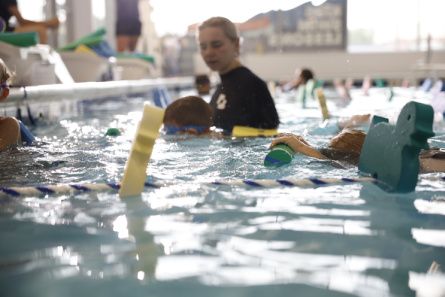
Water safety for kids begins at home, long before heading to a beach or pool. Every family should understand the safety equipment needed and what to do during an emergency. Parents and kids must know the safety measures in place where they plan to swim—such as where to locate a lifeguard or supervisor, potential water hazards, the depth of the pool, and more.
Drowning prevention should involve the whole family. Swim lessons from qualified professionals at Big Blue Swim School prepare kids with the skills and water safety tips they need to play in the pool, ocean, and other bodies of water. Something so helpful that you can do to prepare for being around water is to sign up for lessons in your area.
Pool Safety for Kids
Pools are ideal places to cool down on hot summer days. While some families enjoy the pool in their backyard or visit their neighbor’s pool, others swim in public pools, hotels, or water parks. Consider the following pool safety tips.
Find and Reduce Water Hazards
Every pool should be equipped with the proper barriers to prevent drowning. These barriers must be secure at all times to stop kids from entering. A self-locking gate and working door alarm can keep kids out and alert parents if the pool gate opens. Parents must keep all toys and tools away from the pool or other bodies of water when not in use, as these can draw kids toward the water.
Swim Only in Designated Areas
Kids must understand designated swimming areas before heading to the pool. They need to know the varying depths and where they are not allowed to swim, whether due to pool rules or their own swimming limits. Kids should only swim where and when a lifeguard or water watcher is on duty.
Wear the Correct Safety Gear
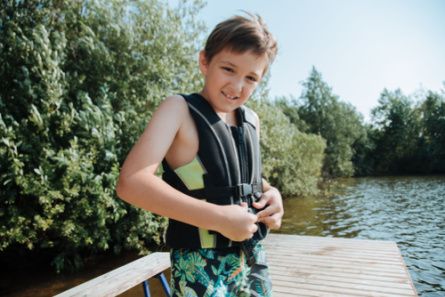
Kids unable to swim independently must wear a life jacket in or around the pool. This life jacket must be approved by the U.S. Coast Guard and appropriate for the child’s size and weight. It should fit snugly when tightened.
Swim With a Buddy
Kids should never swim alone. Kids should swim with a buddy, whether that buddy is a child or an adult.
Actively Supervise
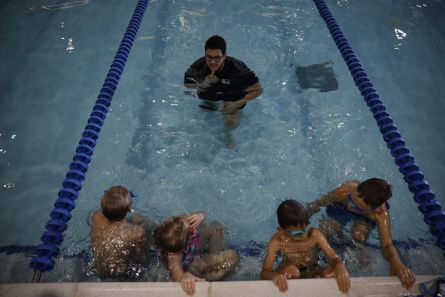
Parents must actively supervise kids when they are in and around the water. Lifeguards constantly scan the pool, but their eyes cannot be everywhere at once. A parent or designated water watcher must keep an eye on kids in the water and should always be within arm’s reach of small kids. The role of the designated water watcher should rotate every 15 to 30 minutes so this person doesn’t become fatigued. The water watcher must keep his or her eyes on the kids in the water without distraction.
To make remembering these things easier, Big Blue uses an acronym: SAFER. You can read all about how to be SAFER here!
Using Flotation Devices Safely
One of the best ways to ensure child safety near water is by using a flotation device, especially for inexperienced swimmers. The safest option is a U.S. Coast Guard-approved life jacket, which provides the best support and keeps a child’s head above water.
While swim vests can provide extra buoyancy in controlled environments, they should never replace active supervision.
Swim floaties, pool noodles, and kickboards are fun but are not designed for safety. They should only be used as swim aids under close supervision.
Water tubes are an enjoyable companion in water, but they must be used with caution—preferably while sitting or lying down. In pools, tubes should only be used where a child can touch the bottom, and an adult should always be nearby.
Locate and Use Rescue Equipment
Parents, teens, and kids must know where rescue equipment is around the pool and how to use it. It’s important to teach kids how to throw rescue equipment to distressed swimmers rather than jumping in to help.
Learn Basic Life-Saving Skills
A study of 289 rescue reports showed a 91% survival rate for drowning victims who received CPR. CPR is a life-saving skill, and experts recommend teaching kids cardiac compression around age 12. Kids and adults who know how to perform CPR can save lives at the pool, the lake, the beach, and everywhere kids are around water.
Teach Kids to Swim
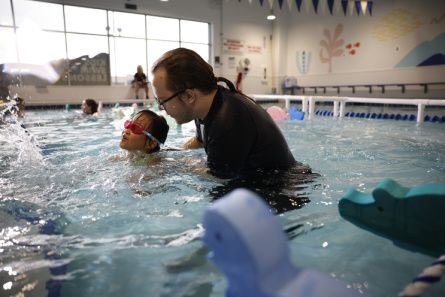
The number one way to prevent drowning and other accidents in the pool is to teach your kids to swim. Big Blue Swim School offers locations in many states, and instructors begin teaching kids as young as 3 months old. The skills learned in a qualified swim school create confident swimmers who are safer in and around water.
Hot Tub Safety for Kids
Child safety near water isn’t just about pools or bodies of water. Hot tub water safety is also important for children. The high temperatures and strong jets can be dangerous, especially for kids under five. Young children can overheat quickly, increasing the risk of dehydration and heat exhaustion. Drowning is also a concern—kids can slip under the water in seconds, and the bubbles from the jets may prevent them from being seen.
To keep children safe, always supervise them closely and limit their time in the hot tub to five to ten minutes. The water temperature for kids should never be above 100°F (38°C), and children should stay seated to avoid slipping. It’s best to keep infants and toddlers out of hot tubs entirely. When not in use, secure the cover to prevent unsupervised access.
Ocean, Lake, and River Water Safety Tips
Many of the same swimming safety precautions applied at the pool are also helpful in an ocean, lake, river, and other bodies of water. However, safety experts suggest implementing several additional safety measures.
Safety While Boating
Kids of all ages should wear a life jacket while boating. The life jacket must be Coast Guard-approved, fit properly, and be appropriate for the child’s weight and size.
Beyond life jackets, children should always be supervised and taught basic boating rules and safety, such as staying seated while the boat is moving and keeping hands and feet inside. Having a safety plan is also important, including knowing where emergency equipment like throw rings and first aid kits are stored.
Be Aware of Boundaries
Many natural bodies of water have designated swimming areas. Parents need to familiarize kids with the boundaries and potential hidden obstacles (such as rocks or sunken structures) under the water’s surface. Instruct kids to swim in front of lifeguard stands whenever possible. Parents and lifeguards have the same goal of protecting kids, so kids must always listen to lifeguard rules and instructions.
Understanding Rip Currents
Rip currents are narrow, powerful channels of moving water in the ocean and other large bodies of water, such as the Great Lakes. Rip currents can move faster than an Olympic swimmer and put people at risk of drowning due to fatigue.
Kids must know the dangers of rip currents and how to escape them. Understanding the importance of swimming parallel to the shore to escape a rip current and then swimming at an angle back to shore can be helpful.
Check out our water safety survival tips for parents and kids for these specific locations:
- Ocean safety
- Beach safety
- River safety
- Lake safety
Infant and Toddler Bath Safety
Bathtime can be a fun bonding experience, but it’s also one of the riskiest times for young children. For babies under one, three-quarters of all drownings occur in bathtubs. Because infants and toddlers lack the strength to lift themselves out of water, even an inch or two can be dangerous.
To keep bath time safe, always stay within arm’s reach of your child—never leave them unattended, even for a moment. Gather all bath essentials beforehand to avoid having to step away. Use a non-slip mat in the tub to prevent slipping, and keep the water temperature around 100°F (38°C) to avoid burns.
Fill the tub with only a few inches of water for infants, and as your child grows, teach them to sit rather than stand in the tub. Make sure to always drain the tub immediately after use.
Water Safety for Special Needs Children
Sadly, eople with autism are nearly forty times more likely to die from drowning than the general population. This statistic highlights the importance of water safety education for children with special needs, including those with autism, sensory issues, or mobility challenges.
To reduce the risks, consider adaptive swimming lessons tailored to your child’s abilities. These sessions often focus on water familiarity, floating techniques, and safe exits. Big Blue Swim School offers one-on-one lessons, and select Big Blue locations now offer adaptive swim lessons for children of all abilities, including those with physical, cognitive, and sensory needs. We would love to have a conversation about your child’s specific needs. Please call the Big Blue in your community to learn more.
Another way to keep your special needs child safe is through secure barriers, such as pool fences and door alarms, to provide an extra layer of protection at home. Teaching water rules with your child’s specific needs in mind—like always swimming with supervision or wearing a life jacket around water—can reinforce safe habits.
Partner with Professionals to Teach Water Safety to Kids
Parents should communicate with kids often about water safety precautions. However, qualified professionals are most suited to teach water safety. It is impossible to ensure a child will always be safe in and around water. That said, proper instruction can make kids of all ages “water safer.”
Because formal swim lessons reduce a child’s chance of drowning by 88%, the best thing you can do for water safety is to enroll your kids in year-round swim lessons taught by experts in a professional setting is the best way to prepare a child to be safe around water.
Register your child for swim lessons at your local Big Blue Swim School today!